

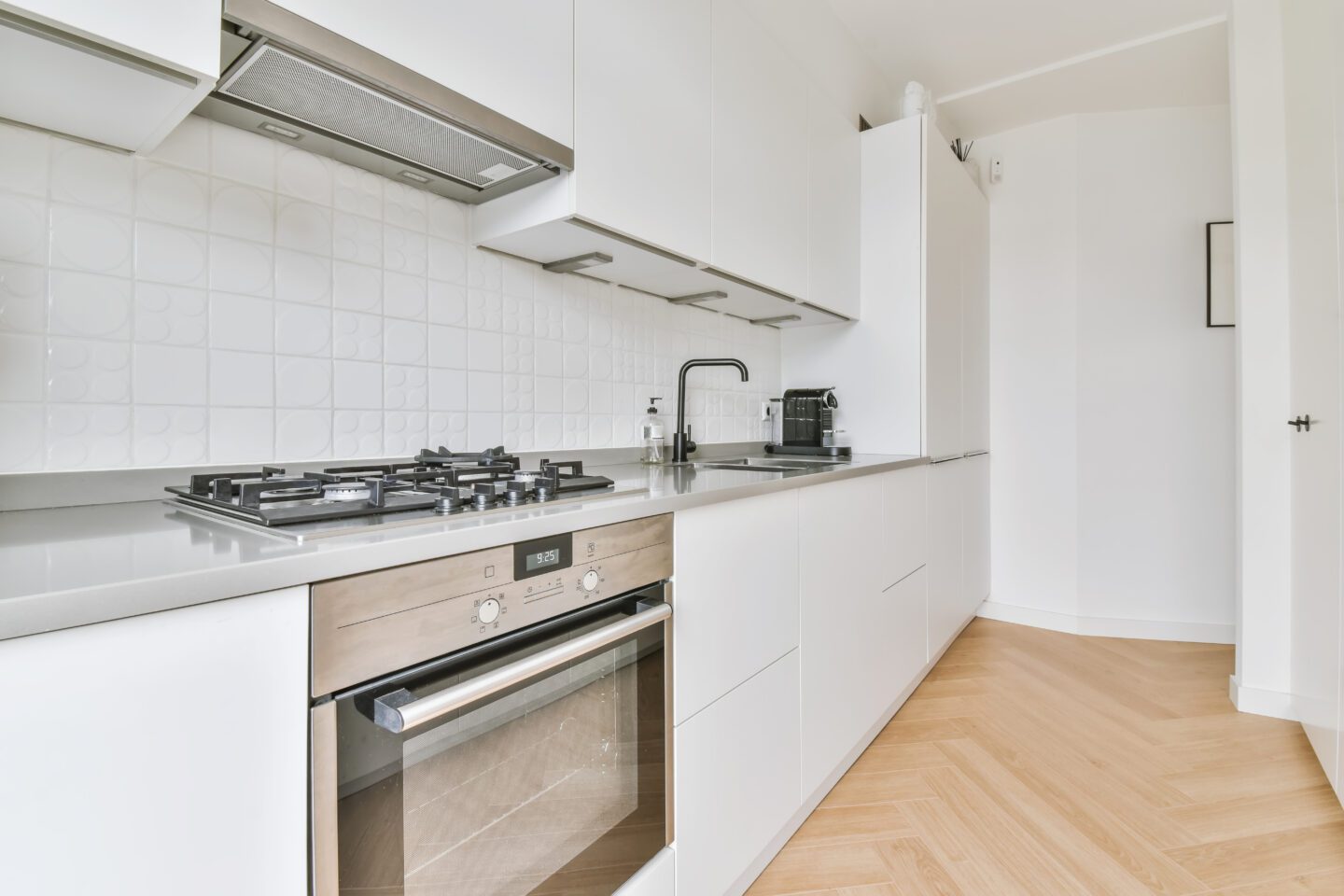
Compact kitchen optimization starts with a plan you can follow every day. Measure tight spots, sort what you use, and give each zone a clear job. Go tall with storage, use drawers, pick smart appliances, and fix lighting. Keep air moving to fight heat and steam. Do this and your small kitchen will cook like a pro, without elbow fights.
Why small kitchens can work big
A small kitchen can run fast and clean when each part has a job. Think of a toolbox. Short reach, clear spots for tools, and no wasted motion. That is the vibe you want.
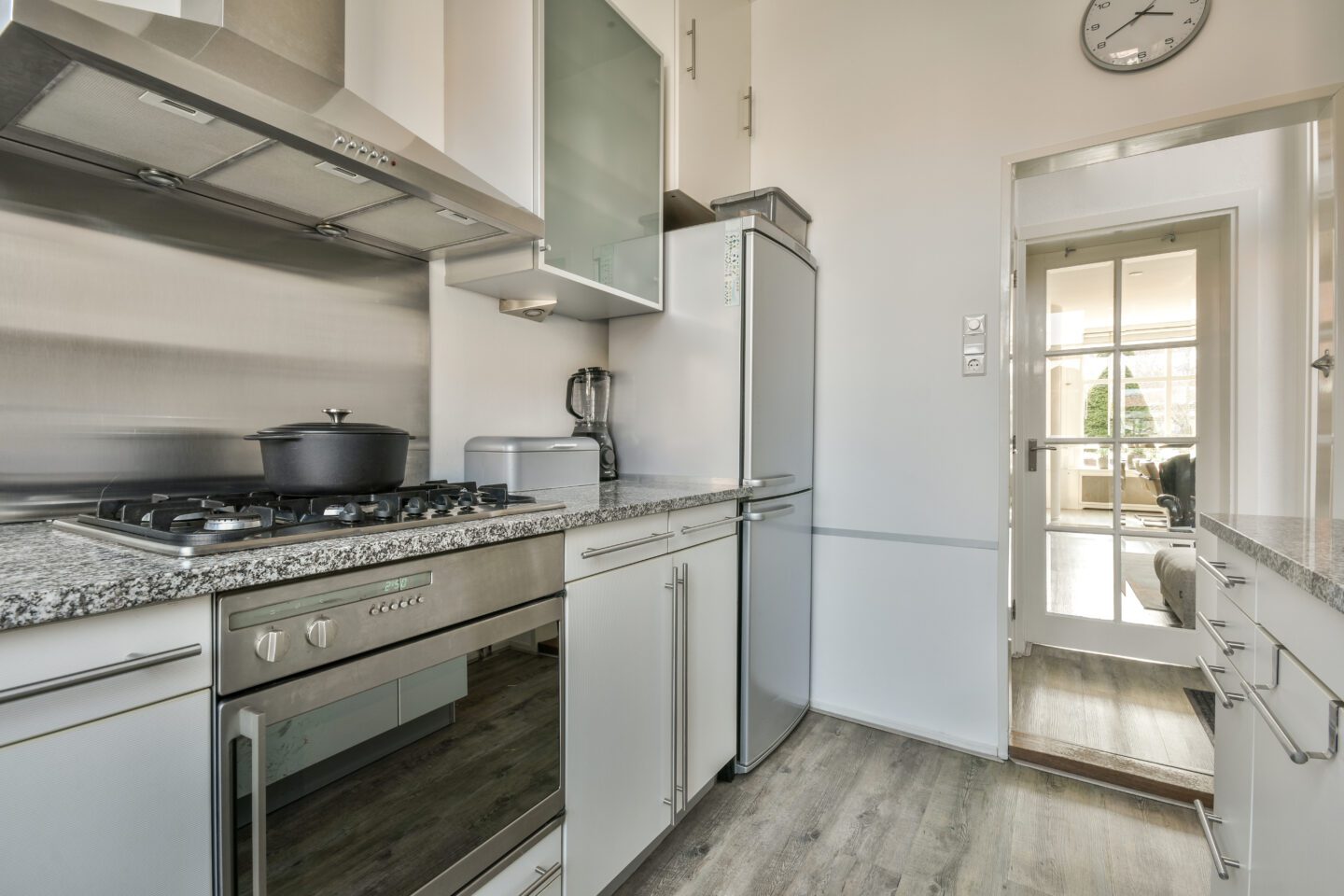
Compact minimalist kitchen with stylish and modern design
Set simple goals
- Fast prep without pileups
- Clear paths so doors and drawers do not bump
- Strong light where you chop and cook
- Air that moves grease and steam out
Start with a quick map
- Pick your zones. Prep, cook, clean, store.
- Check door swings. If they crash, change them or swap to a pocket door.
- Mark where you stand to chop, stir, and plate. You need knee room.
- Measure to the inch. In small rooms, a half inch can feel like a mile.
Smart layout moves for tight spaces
Galley strength
A galley kitchen is two lines that face each other. Keep walk space at about 39 inches if you can. Put sink on one side and cooktop on the other. Use drawers near the stove for pans. Keep plates near the dishwasher. It cuts steps and saves time.
L shape flow
An L shape can open to a dining nook. Place the fridge at the end of one leg so traffic does not cross the cook zone. Add a small cart with wheels for extra counter during meal prep. Roll it away when you are done.
U shape focus
A U shape hugs you with storage. Keep the sink in the center, cooktop on one side, and prep space on the other. Watch corners. Use a swing-out in corners so you do not crawl inside.
One wall tricks
A single wall can do it all with the right kit. Use tall cabinets to the ceiling. Pick a 24 inch fridge and a 24 inch dishwasher. Add a drop-down or slide-out counter for bonus prep space.
Island stand-ins
In tight homes, a fixed island can jam the room. Try a slim peninsula, a flip-up bar, or a rolling cart. These give you prep space without blocking the path.
What we usually see in California kitchens
- Narrow condos near SoMa with one wall layouts and tall ceilings
- Older flats near the Richmond District with tight galleys and tricky corners
- Townhomes off Highway 101 with short dining nooks next to compact L shapes
Storage that grows upward
Ceiling high cabinets
Use all the height you have. Add a small step stool that folds. Store party platters and slow cookers up high. Store daily plates at shoulder height so you can grab fast.
Drawers beat doors
Deep drawers hold pots, pans, and lids in neat rows. They pull out so you see it all. No more crouch and hunt. Use dividers so lids stand up and do not clatter.
Pull-out heroes
- Pull-out pantry racks for cans and spices
- Slim pull-out next to the range for oils and salt
- Pull-out trash and recycle so bins do not block the way
Toe-kick drawers
That little strip by the floor can hide flat pans and baking sheets. It is a sneaky way to grab a few more inches.
Above the counter
- Rail and hook system for ladles and tongs
- Magnetic strip for knives
- Small shelf for daily mugs and salt pinch bowls
Open shelves that stay neat
Use open shelves for things you touch often. Keep a tight color set, like white bowls and clear glasses. It looks tidy and cuts steps.
Corner fixes
- Swing-out trays that bring the corner to you
- Corner drawers that run on a curve
- Diagonal corner sink in some layouts if you need a better flow
Appliances that pull double duty
Pick the right sizes
A 24 inch fridge with a bottom freezer can hold more than it looks. Counter-depth keeps the path clear. A 24 inch dishwasher, single or double drawer, saves space and water.
Cook with control
Induction cooktops heat fast and stay cool to the touch near the surface. Good for tiny rooms and tiny humans. Many models let two zones join for a big pan. A plug-in burner stored in a drawer can add a fifth spot on big cook days.
Oven swaps that earn their spot
A microwave with convection can bake and roast. A steam oven can reheat without drying food. If you bake a lot, a single wall oven under the counter can free space up top.
Sink that works hard
A workstation sink with ledges can hold a cutting board, colander, and drying rack. It gives you a prep line over the bowl, then slides away when you wash.
Quiet wins
Pick quiet fans and quiet dishwashers. Small rooms get loud fast. Look for low sone ratings on hoods and sound ratings on dishwashers. Your ears will thank you.
Ventilation matters
California heat waves make fridges run hot. Give them air space as the maker asks. Coastal fog brings moisture. Good vent hoods pull steam and grease out so cabinets do not swell. During smoke days, filters help cut odor. Keep a window crack when you can for fresh air. Clean hood filters so they do not drip and they keep pulling strong.
Countertops and smart surfaces
Stretch the prep zone
- Add a slide-out breadboard under a counter
- Use a flip-up bar at the end of a run for quick seating
- Place a large cutting board over half the sink when you prep
Pick hard wearing tops
Quartz, porcelain slab, or sealed wood can stand up to heat and daily wipe downs. In dry heat, wood can shrink. Keep it sealed and oiled. Near the coast, salt air adds moisture, so check joints and caulk lines each year.
Backsplash that works
Choose a simple tile or a one-piece slab backsplash. Fewer lines, fewer crumbs. Add an outlet strip under the wall cabinets so cords do not cut across the splash.
Lighting that makes space feel bigger
Layer your light
- Bright task light under wall cabinets for chopping
- Soft ceiling light for even glow
- A tiny spot over the sink
Pick warm white bulbs for a homey feel. Use dimmers so breakfast light and late-night snack light are not the same. Light paint with a soft sheen bounces light and makes the room feel open. Gloss on cabinets can show smudges, so use satin if you smack doors with busy hands.
Color that calms
Light colors lift small rooms. A white or pale gray base with wood accents feels calm. Dark base cabinets can work if uppers stay light. Keep a simple palette so the eye rests.
Sinks, faucets, and plumbing choices
Go single bowl
A large single bowl fits big pans. It saves space over a double and pairs well with a roll-up rack for drying.
Smart faucet
Touch or motion sensors keep handles clean when your hands are sticky. A pull-down spray head helps rinse the far side of a deep bowl.
Plan the path of water
Keep dish storage near the dishwasher. Keep trash near the sink. You will thank yourself every time you clear plates.
Organizing the workflow
Prep zone
Keep knives, boards, bowls, and oils in reach. A shallow drawer with a knife tray keeps blades safe. A small bin for onion skins saves steps to the trash.
Cook zone
Pans and spatulas in drawers by the range. Spices near but not over heat. Use a spoon rest so you do not paint the counter with sauce.
Clean zone
Soap, brushes, towels, and a place to dry. Use a slim pull-out for cleaners, but add a child lock if kids visit.
Store zone
Keep breakfast items together. Keep baking tools together. Label bins so family puts things back without a roadmap. A place for every thing, and every thing goes back in its place.
Doors, drawers, and space to move
Watch every swing
If doors bump, flip the swing, use a pocket door, or choose a barn style track. In old San Francisco flats with narrow halls, a pocket door to the kitchen can be a game changer. It frees the path and stops the crash.
Handle shape
Long bar pulls are easy to grab. Knobs can catch on pockets in tight walkways. Try samples in your hand and pick what feels right.
Flooring that holds up
Tile, vinyl plank, or sealed hardwood can handle spills. In beach towns, sand sneaks in, so use a floor that sweeps easy. Keep a mat at the door to catch grit.
Heat, cold, rain, and your small kitchen
- Hot days push fridges and freezers. Keep vents clear and give gaps for air.
- Cool, damp nights near the coast can swell wood. Seal edges, check hinges, and keep fans running after you boil pasta.
- Winter rain brings mud. A boot tray by the door keeps floors clean.
- Dry heat can shrink caulk lines. Check and reseal near sinks and backsplashes once a year.
Safety notes you should not skip
- Find studs before you hang rails, shelves, or heavy cabinets.
- Use GFCI outlets near water. It helps stop shocks.
- Keep proper clearances for ranges and hoods so heat does not burn cabinets.
- If you smell gas, stop and call your gas company. Do not flip switches.
- Turn off water at the valve before faucet swaps.
A quick story from a tiny Bay Area kitchen
A dad in a SoMa condo told us, I cook big but my kitchen is tiny. We said, Let the room earn its keep. We swapped a swing door for a pocket door. We ran cabinets to the ceiling with a two step stool tucked in a slot. A 24 inch induction top went in, and a single drawer dishwasher slid under. A rail with hooks held tools. A roll-up rack over a workstation sink added prep space. Toe-kick drawers took baking sheets. Under cabinet lights made the chop spot bright. He sent a text, My shoulders drop when I walk in. It works.
Troubleshooting steps
- If drawers hit each other, then stagger depths or swap one to a door with pull-outs.
- If fridge doors block a path, then switch the hinge side or pick a French door model.
- If counters feel cramped, then add a slide-out board or a flip-up ledge.
- If corner space sits dead, then add swing-out trays or corner drawers.
- If the hood feels weak, then clean filters, check duct size, or pick a higher CFM unit that fits code.
- If trash bins eat floor space, then add a pull-out next to the sink.
- If outlets crowd the backsplash, then add a plug strip under wall cabinets.
- If kids grab hot handles, then use back burners and add a stove guard.
Common myths and facts
- Myth. You must have a big island to cook well. Fact. A slim cart or peninsula can do the job without clogging the room.
- Myth. Double sinks are better in every case. Fact. A large single bowl with sink tools often works best in a tight room.
- Myth. Open shelves are always messy. Fact. Use them for daily items and keep colors simple. They can look neat and save time.
- Myth. More cabinets fix clutter. Fact. Better access and fewer, smarter tools fix clutter.
Care schedule for small kitchens
Weekly
- Wipe cabinet pulls and front edges where hands land
- Clean the cooktop and the counter behind the faucet
- Empty crumb trays in small appliances
- Sweep and mop, then dry the floor to stop slips
Monthly
- Clean hood filters with hot water and soap
- Check fridge door gaskets and wipe them clean
- Empty and sort the pantry. Toss stale snacks and wipe shelves
- Check drawer glides. Tighten loose screws
Yearly
- Reseal counters that need it
- Check caulk lines at sink and splash. Reseal if gaps show
- Pull the fridge and clean coils and dust
- Test GFCI outlets and replace if they fail
Budget friendly wins without big tear outs
- Swap old bulbs for LED with warm white glow
- Add peel and stick lights under wall cabinets
- Install a magnetic knife strip to free counter space
- Use stackable bins in the pantry
- Add a rail system for tools and a tiny spice shelf near the stove
- Replace bulky bar stools with slim ones that tuck under a ledge
- Change old hinges to soft-close to stop slams and keep doors square
Make room for people too
A kitchen must fit the cook and the crew. Plan a clear path for helpers. Keep the snack zone by the fridge so kids do not cut through the cook zone. Place a water filter there too. Guests can grab a drink without bumping you.
Pick materials that like your climate
Near the coast, pick water resistant finishes and hardware that holds up to salt air. Inland, dry heat can crack cheap caulk and dry out wood. Use quality sealers and check them each year. Tile grout can stain with smoke days. A darker grout can hide marks and lower stress.
Plan for cleaning before you build
Shiny knobs and tight grout lines look sweet, but can be fussy. Flat front doors wipe fast. Large format tile on floors means fewer joints to scrub. A one-piece backsplash slab wipes fast and looks clean.
Simple measuring tips
- Measure the room, then measure again
- Sketch the layout on graph paper
- Tape the floor where appliances will sit so you can walk the path
- Open mock doors with tape to see if swings clash
Friendly dialogue you might know
You. Why does the trash can block the oven door
Me. It needs a new home, a slim pull-out next to the sink
You. Will that even fit
Me. We will measure, then we will make inches work like magic
Working with small kids and pets
Latch the pull-out trash. Add a baby gate if needed during cook time. Store cleaning pods up high. Add a toe-kick night light so midnight snack runs do not end with stubbed toes. Keep pet bowls near the back door and away from the stove.
ADA and comfort tips
Tall family members like higher counters. Short cooks may want a lower section. Mix counter heights where you can. Use D-shaped pulls that are easy to grab. A wall oven with a side swing door keeps the hot rack closer to you and can be safer.
Make choices that last
Trendy things come and go. Clean lines, solid storage, and good light keep giving. Buy once, cry never, as my grandpa said while fixing a squeaky drawer.
FAQs
Q. How do I make a small kitchen look bigger without tearing down walls
A. Use light colors, simple cabinet lines, and bright task light. Add mirrors or glossy splash panels in small spots. Keep counters clear so the eye sees more open space.
Q. What is the best layout for a tiny kitchen
A. Galley and L shapes work well. They keep steps short and zones clear. A one wall can work too with tall storage and a few slide-out helpers.
Q. Are 24 inch appliances enough for a family
A. Many families do fine with them. A bottom freezer fridge and a drawer dishwasher can handle daily meals if you shop smart and run loads more often.
Q. How do I add storage without bulk
A. Go up to the ceiling. Use drawers, pull-outs, toe-kick drawers, and rails. Use the side of a cabinet for a spice rack or a magnet strip.
Q. Do I need a vent hood in a small kitchen
A. Yes, a good hood pulls steam, smoke, and grease. It keeps cabinets clean and air fresh. Duct it outside when you can and keep filters clean.
Q. What colors work best in small kitchens
A. Light colors with a simple palette. White, pale gray, or sand with warm wood accents. Keep hardware and fixtures simple to cut visual clutter.
Q. How do I fit seating in a tiny space
A. Use a flip-up bar, a slim ledge at a window, or stools that tuck under a counter. A small drop-leaf table can work for two and then fold flat.
Q. What should I do first before a remodel
A. Measure, purge items you never use, and make a list of must haves. Take photos of doors and trouble spots. Then talk to a pro for a layout that fits your room.
Get started with compact kitchen optimization
Dreamhome Remodeling & Builders makes small kitchens work hard and look good across California. If you want smart layouts, storage that fits your life, and clean finishes that last, we are ready to help. Call 415-650-2586 or visit https://dream-home-remodeling.com to start your compact kitchen plan with a team that knows tight spaces and real daily use.
