
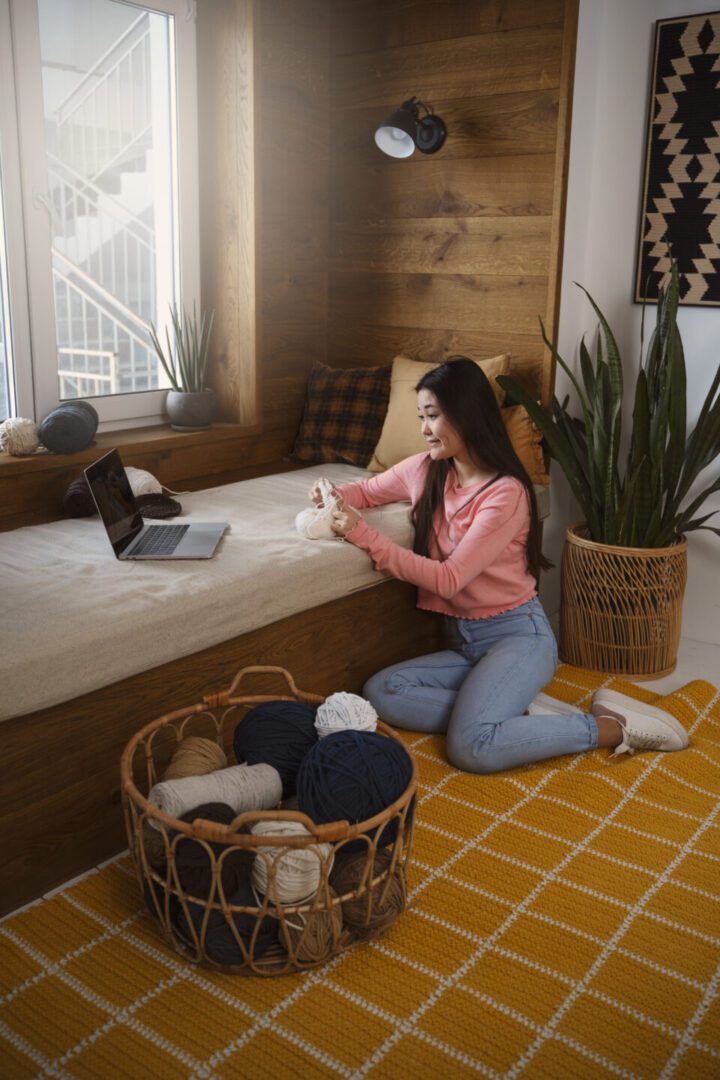
Picking the right floor for a bedroom is simple when you match it to your life. Think comfort, sound, care, and the room’s climate. Carpet brings quiet and cozy. Hardwood brings classic style. Engineered wood handles weather swings. Laminate and vinyl fight scratches and spills. Cork feels warm and soft. Check subfloor, moisture, and underlayment. Then pick the look you love.
Start with how you live
- Do you want a soft landing in the morning
- Do you need quiet for sleep or a nursery
- Do you have pets or kids who race like mini go-karts
- Do you run hot or cold at night
- Do you live near the coast, the valley, or the hills
- Do you want an easy clean plan after a long day
Answer those, and you will be miles ahead. Trends come and go. Your feet will still be there every morning.

Bedroom flooring types at a glance
Let’s walk the room together and test the big choices. No fluff. Just what works, where it fits, and what to watch.
Carpet
- Best for soft and quiet sleep zones. Great in upstairs rooms where you want less foot noise.
- Feels warm. Helps with echo in big rooms.
- Pick low to medium pile for easy vacuuming. A dense pad makes it feel like a cloud.
- Good for cool mornings near the coast. Foggy areas like Pacifica and Daly City can feel chilly. Carpet takes the bite out.
- Care plan is simple. Vacuum often and clean spots fast.
- Allergy note. Some folks worry. Modern low pile with a HEPA vacuum can work well. Steam clean on a set plan.
Solid hardwood
- Timeless look. Adds a classic vibe like old San Francisco homes with charm.
- Warm to the touch once the room is heated.
- Can be sanded and refinished down the road.
- Sensitive to big swings in moisture. Inland summers near Sacramento can get dry. Boards can shrink if the room gets parched.
- Works best with area rugs near the bed to keep warmth and cut noise.
- Needs a stable subfloor. Check for squeaks and fix before new planks go down.
Engineered wood
- Real wood top over a stable core. Looks like hardwood, but handles climate swings better.
- A solid pick for coastal fog or rooms that see heater and AC flips.
- Can float, glue, or nail, based on subfloor and plan.
- Some brands allow light sanding. Read the warranty sheet and specs before you plan that.
- Pair with a sound underlayment for quiet steps upstairs.
Laminate
- Tough finish. Handles busy feet, pets, toy trucks, and a dropped hairbrush.
- New prints look sharp. Texture adds a real wood feel without the same care needs.
- Good value with strong scratch resistance.
- Likes a flat subfloor. Use a quality underlayment for sound and small dips.
- Many planks click together, which helps install speed.
- Avoid standing water. Wipe spills right away.
Luxury vinyl plank or tile
- Waterproof or very close, based on core type. Great for spill-prone rooms or kids who bring in sports gear.
- Good for ground floor rooms on slab near the garage or yard.
- Feels warmer than tile and quieter underfoot than many hard floors.
- Textures and prints are strong. Wide choice of oak, maple, hickory, and even stone looks.
- Easy care. Sweep and damp mop.
- If heavy sun blasts the room like a south window in San Jose, use shades. That keeps color fade in check.
Cork
- Soft, springy, and quiet. Feels like walking on a yoga mat in shoes.
- Natural thermal comfort. Helps rooms that run cool.
- Good sound block in condos and townhomes near busy roads like El Camino Real.
- Needs the right finish. Wipe spills soon and watch pet nail length.
- Many cork floors float. Underlayment still matters for sound and flatness.
Bamboo
- Made from fast growing grass. Many boards are very hard.
- Stable versions do well in many California homes.
- Pick quality from trusted makers. Hardness and finish can vary by product type.
- Use felt pads under furniture. Bamboo can show dents from heavy legs.
Tile
- Not common for a bedroom, but it works in hot zones where a cool floor feels nice.
- Great with radiant heat if rated for it.
- Hard, long lasting, and easy to clean. A rug by the bed helps with the first step in the morning.
- Grout needs care to stay clean.
Underlayment matters more than people think
Underlayment is the quiet hero. It can warm the room, block sound, and smooth small flaws. It protects against moisture from a concrete slab. It can also help meet sound rules in condos. A cork or rubber layer cuts tap tap noise. A foam layer helps with comfort under laminate or vinyl. On wood subfloors, a proper paper or membrane under hardwood can control squeaks and seasonal movement.
Comfort, sound, and temperature
- Comfort. Soft floors like carpet and cork feel cozy. Hard floors feel nice with a rug near the bed. Your heels will vote every morning.
- Sound. Upstairs bedrooms need peace. Carpet, cork, or a thick underlayment under click floors helps a lot. If you live near traffic on 101, this matters.
- Temperature. Coastal fog brings chill. Inland heat brings dry air. Wood likes steady indoor moisture. A small humidifier in winter and a dehumidifier near the coast can keep wood happy.
What we usually see in California
- Bay Area homes love engineered wood in primary bedrooms for a classic look with fewer squeaks.
- Central Valley homes pick luxury vinyl plank for busy family bedrooms and AC cycles.
- Beach towns see more carpet in upstairs rooms to fight echo and add warmth on foggy mornings.
Check your subfloor before you buy
A floor is only as good as what it sits on. Walk the room. Listen for squeaks. Look for dips. Run a six foot straight edge and check gaps. On concrete, test for moisture with a simple plastic sheet taped down for a day, or use a meter. Fix squeaks with screws. Fill dips with floor leveler. Clean well. This prep step saves regret.
Pet owners, listen up
Claws and floors can be friends. Pick a hard finish or go with laminate or vinyl with a strong wear layer. Keep nails trimmed. Place a runner where your dog launches off the bed like a rocket. Use felt pads under the bed frame and dressers.
Radiant heat and bedroom floors
Radiant heat feels great underfoot. Many engineered woods and vinyl planks are rated for it. Solid hardwood can work if the maker says yes, and if the system runs steady. No sudden heat spikes. Keep the temperature in the safe range from the product guide.
Stairs and transitions
If your bedroom sits at the top of a staircase, think about matching stair treads. Many products have matching nosings. A clean transition strip into the hallway makes the whole space feel planned. Keep it low profile to avoid toe stubs at three in the morning.
Color and plank width tips
- Small room. Lighter tones and wider planks can make it feel bigger.
- Big room. Mid to dark tones add calm and reduce glare.
- Busy baseboards or wall trim. Keep the floor calm with a low knot pattern.
- Low light room. Warm honey tones hide dust and look cozy.
Eco picks that still live easy
Cork and bamboo are strong choices. Many engineered woods use responsible cores. Look for third party labels that show safe glues and low VOCs. Keep rooms vented during and after install. Sensitive sleepers will thank you.
Moisture, sun, and California weather
- Coastal zones get fog and salty air. Engineered wood, cork, vinyl, and carpet do well with steady indoor air and a dry room.
- Inland zones get hot summers and dry winters. Wood can shrink. Keep indoor humidity stable with a small humidifier during furnace season.
- Sun can fade any floor. Use blinds or a UV film on bright windows. Rotate rugs a few times a year.
- Rain means wet shoes. Put a mat in the hall. Fast wipe ups keep floors smiling.
Safety notes worth reading
Use sliders when you move a heavy bed. Save your back and your floor. Wear a mask when you cut boards. Open windows when glues or finishes cure. Keep blades sharp to avoid chipped edges. Turn off power if you pull baseboards near outlets.
How to pick step by step
- 1) Measure the room. Add ten percent for cuts.
- 2) Check subfloor and fix squeaks or dips.
- 3) Think sound, comfort, and care. Pick a top three list.
- 4) Visit a showroom with your pillow or quilt color. Check the look in real light.
- 5) Take home samples. Look at them morning, noon, and night.
- 6) Set a care plan you can keep.
- 7) Lock the choice and pick pro install or DIY based on skill and time.
Troubleshooting steps
- If your floor feels cold in the morning, add a dense rug or pick cork or carpet with a thick pad.
- If you hear footsteps below, use a thicker underlayment or switch to carpet in upstairs rooms.
- If boards gap in winter, add a small humidifier and hold a steady indoor level.
- If you see cupping near windows, add shades and check for leaks or wet mopping.
- If pets scratch the finish, trim nails, add runners, and use a harder wear layer product.
- If the floor clicks when you walk, fix dips with leveler and use better underlayment.
- If the door rubs the new floor, plane the door edge or use a lower transition strip.
- If a plank gets damaged, keep a spare box for swaps. Many click floors allow plank replacement.
Common myths and facts
- Myth. Carpet is always bad for allergies. Fact. Low pile with frequent HEPA vacuuming can trap dust and keep it out of the air.
- Myth. Vinyl looks fake. Fact. New LVP and LVT have strong textures and prints that fool the eye.
- Myth. Hardwood is loud in bedrooms. Fact. Rugs, pads, and the right underlayment cut noise a lot.
- Myth. Bamboo is always harder than oak. Fact. It depends on how it is made. Quality varies by product.
Care schedule you can follow
- Weekly. Quick vacuum or sweep. Hit corners and under the bed. Wipe small spills right away.
- Monthly. Damp mop hard floors with the maker’s cleaner. Steam clean carpet if a spill sits. Rotate small rugs to even out wear.
- Yearly. Check felt pads and replace worn ones. Refresh finish with the maker’s approved product. Tighten bed and dresser hardware so they do not scrape. Inspect sun shades and move furniture a bit to balance fade.
Real talk from a California home
A client in San Jose had a baby on the way. The upstairs bedroom sat over a living room with a TV that loved sports nights. They wanted quiet but also a room that felt like a warm hug. We put down a thick pad and a soft, low pile carpet. We added solid door seals to cut hallway noise. The baby slept. The parents smiled. The TV stayed loud downstairs and no one fought about it.
Another story. A couple in Santa Rosa wanted wood in a primary suite. The room had big south windows with bright sun. We picked an engineered oak with a matte finish, a solid underlayment, and added light-filtering shades. They loved the grain and the room stayed calm in summer. Their dog called Max stopped slipping once they added a long runner by the bed.
Style tips that do not fight sleep
- Keep the bedroom calm. Soft patterns on the floor help your eyes rest.
- Mix textures. A smooth wood with a chunky knit rug looks great.
- Match floor tone to your trim. If trim is bright white, a mid tone floor balances it.
- Use door thresholds that match or blend. Big contrast at the doorway can feel busy.
Installation basics in plain talk
- Nail down. Used for many hardwoods on wood subfloors. Very solid feel.
- Glue down. Common with some engineered woods and vinyl. Great on slab when the glue fits the job.
- Float. Click floors that sit on underlayment. Faster, fewer tools, and easy plank swaps later.
- Under cut door jambs for a clean fit. It looks pro and stops ugly gaps.
- Leave expansion gaps where the maker says. Wood moves a bit through the year. Trim hides the gap.
Kid bedrooms and teen zones
Kids drop stuff. Teens drag chairs. A hard wearing surface makes life simple. Laminate and vinyl do well here. Add a soft rug by the bed for comfort. Pick quiet underlayment upstairs. Teach a quick sweep routine. Five minutes a day saves you from a weekend cleanup.
Guest rooms
Guest rooms can go many ways. If you want low care, pick vinyl or laminate with a nice grain. If you want classic, choose engineered wood and a cozy rug. Then no stress if the guest brings a suitcase with wheels that roll over the floor.
Small bedrooms in condos and townhomes
Sound rules often apply. Check HOA sound ratings. Many products list a rating. Cork underlayment and carpet score well. A floating floor with a rated pad can pass too. Lower profile transitions keep doors moving free.
If you rent out a room
Pick a product that is easy to clean and repair. Keep spare planks on hand. Use neutral tones that fit many bedding colors. Add a welcome mat so grit does not ride in.
Picking color without doubt
Gather three to five samples. Put them near your bed, closet, and window. Look morning and night. Toss the ones that look off even once. The winner will stick with you. Trust your eyes.
Simple checklist to shop smart
- Bring paint swatches and a pillow cover.
- Wear the shoes you use at home.
- Ask about underlayment and sound.
- Ask what cleaners work and what to skip.
- Check if your floor is safe for radiant heat if you have it.
- Ask how to fix a single damaged plank.
FAQs
Q. What is the best bedroom flooring for a quiet upstairs room
A. Carpet or cork with a thick pad are both great. For hard floors, use a dense underlayment under engineered wood or vinyl.
Q. What flooring works in California coastal homes
A. Engineered wood, cork, carpet, and vinyl do well with steady indoor air. Keep rooms vented. Use a dehumidifier if fog makes things sticky.
Q. Can I use hardwood in a kid’s bedroom
A. Yes. Add a rug and felt pads. Pick a hard finish. Keep toys in bins so grit does not scratch.
Q. What is the easiest bedroom floor to clean
A. Luxury vinyl plank and laminate are simple. Sweep or vacuum, then damp mop with the maker’s cleaner. Low pile carpet cleans well with a HEPA vacuum.
Q. Is tile okay in a bedroom
A. It can be, but it feels cool. Add rugs or radiant heat. Many folks save tile for baths and pick warmer floors for sleep.
Q. How do I stop sun fade on my bedroom floor
A. Use blinds or UV film, and rotate rugs a few times each year. A matte finish helps hide small changes.
Q. What if I have a concrete slab bedroom
A. Check moisture first. Use the right underlayment or glue. Vinyl, laminate, and many engineered woods work well on slab.
Q. Can I install bedroom flooring over radiant heat
A. Yes, if the product is rated for it. Engineered wood and many vinyl lines work. Run the system at steady temps.
Q. How do I keep floors from squeaking
A. Fix squeaks before the new floor goes in. Screw down loose spots. Use the right underlayment. A solid base stops most noise.
Q. Should I worry about VOCs in new flooring
A. Pick low VOC products. Vent the room during and after install. The smell fades with fresh air and time.
If you want help picking, planning, and installing bedroom flooring that fits your life in California, Dreamhome Remodeling & Builders is ready to help. We listen, we bring samples, and we handle the details so you can sleep easy. Call <tel:+1>415-650-2586</tel:+1> or visit https://dream-home-remodeling.com to get started.