

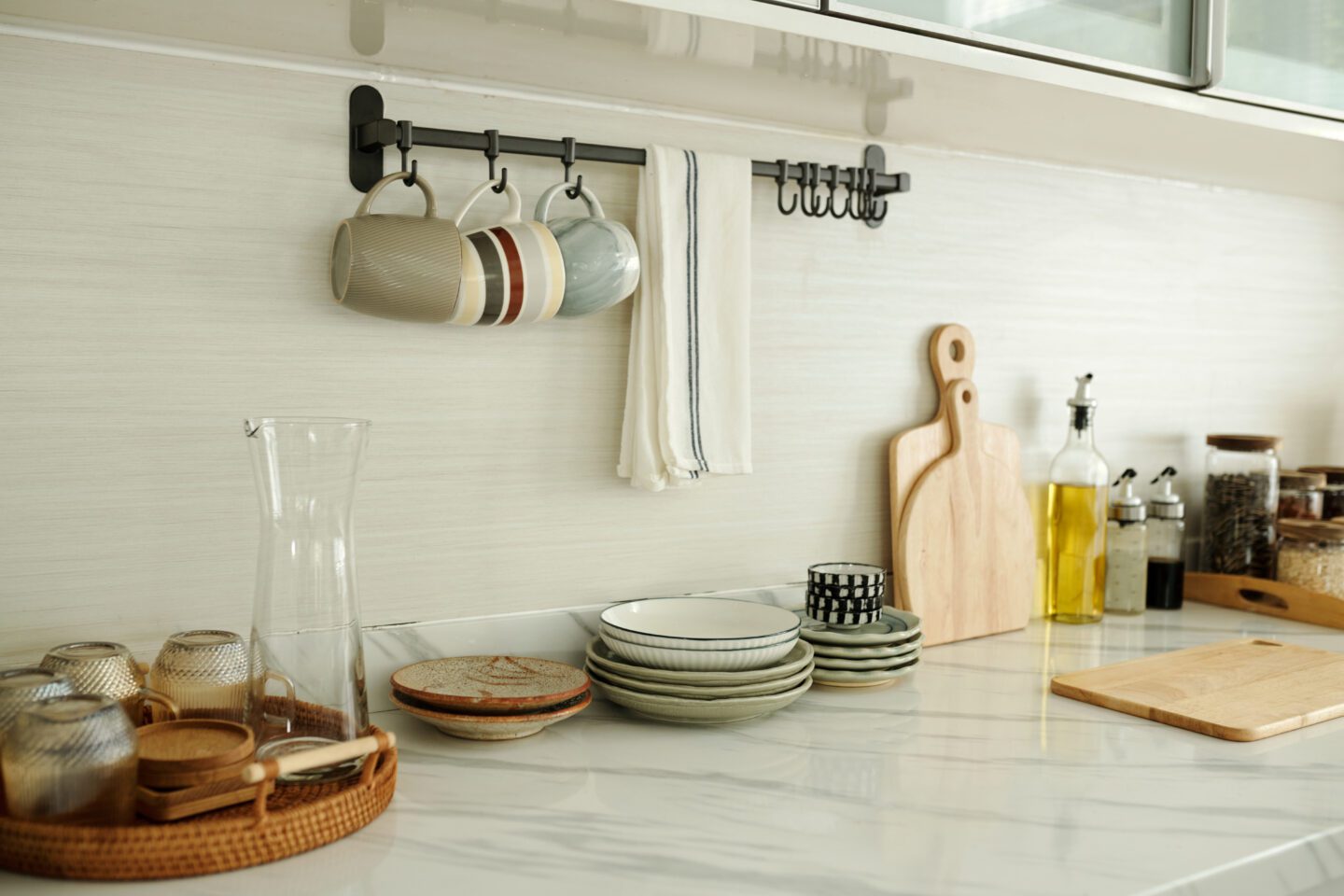
Picking a backsplash comes down to three things, how much you hate scrubbing grout, how close your cooking gets to heat and splatter, and how simple you want upkeep to be. Tile gives you lots of looks but adds grout lines to clean. Quartz keeps lines low, but you must treat heat and seams with respect. A full-slab backsplash is the clean-up champ, fewer joints and a smooth wipe down, but it needs smart planning for outlets and edges.
To talk through materials and layout details with Dreamhome Remodeling & Builders, visit Contact Us or see examples in Our Work.
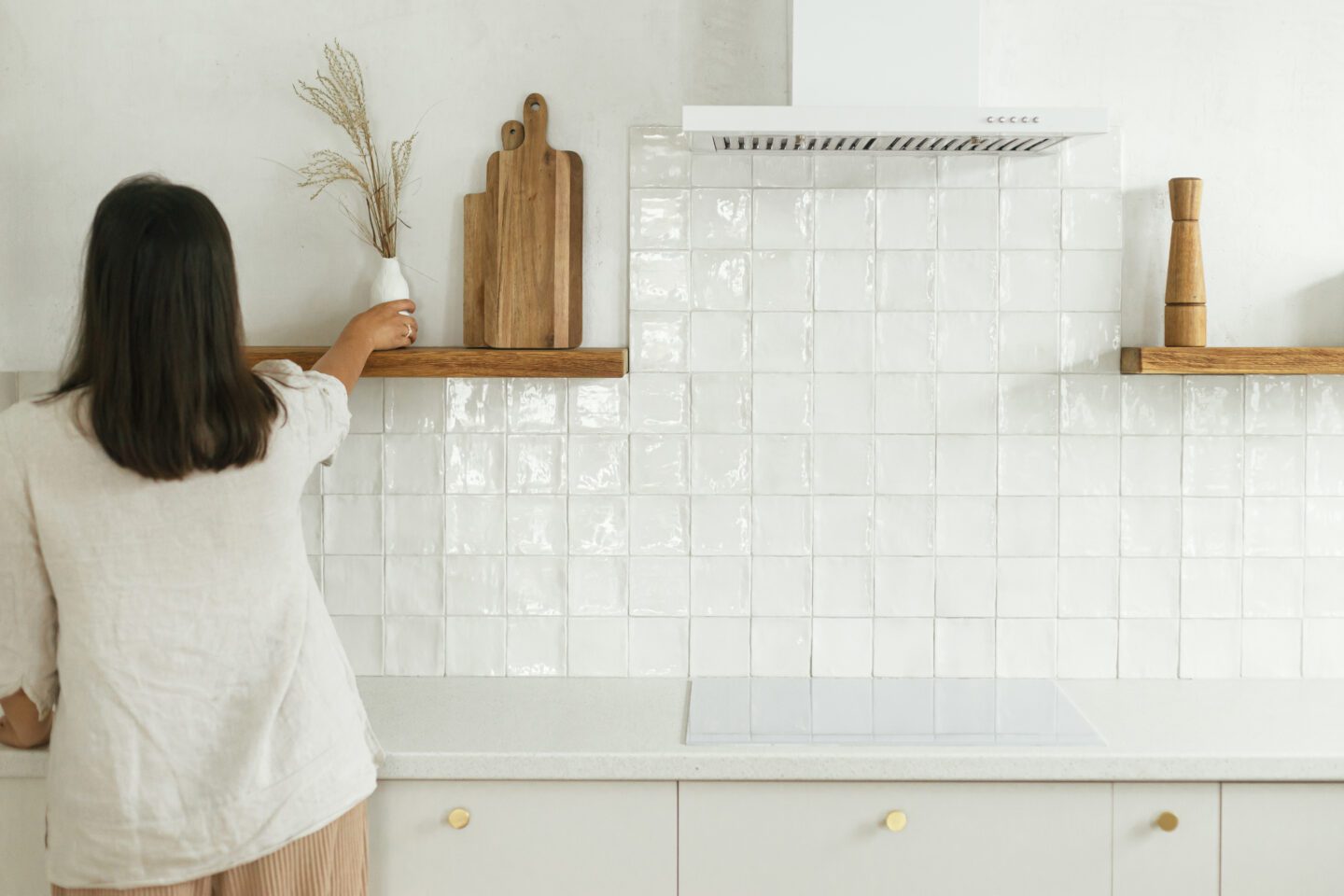
Start with the real question, what kind of mess do you make?
Let’s talk like normal people.
Do you cook like a weekend TV chef, with oil popping and sauce flying. Or do you mostly toast, reheat, and do the occasional pasta night.
Backsplashes are like shoes.
White sneakers look great until you step in a puddle.
Ask yourself:
- Do you fry or sear a lot near the wall.
- Do you use tomato sauce, curry, or coffee near the backsplash.
- Do you mind a little scrubbing, or do you want one wipe and done.
- Do you like a busy pattern, or a clean wall look.
If you are a “wipe it and walk away” person, grout lines will feel like a prank someone played on you.
If you want help matching the backsplash to how you actually cook, use Contact Us to connect with Dreamhome Remodeling & Builders.
Tile backsplash basics, the classic with a catch
Tile is popular for a reason. You can pick subway tile, small mosaics, large format tile, or bold shapes. It can lean modern or old school.
The big tradeoff, grout lines
Grout lines are where tile wins and loses at the same time.
- They break up the look in a nice way.
- They also catch grease, dust, and sauce.
If you pick small tiles, you get more grout. More grout means more cleaning.
If you pick larger tiles, you get fewer grout lines. Clean-up gets easier.
Heat handling near the range
Tile does well with heat, especially ceramic or porcelain. That is why it has been used behind ranges for ages. Just keep in mind:
- The weak spot is grout and caulk, not the tile itself.
- A powerful vent hood helps reduce grime build up.
Tile cleaning tips that work in real life
Skip the “magic” social media tricks. Do this instead:
- Wipe splatter the same day if you can.
- Use a mild cleaner and warm water for daily wipe downs.
- Use a soft brush for grout, not a metal scrubber.
- Rinse well, cleaner film attracts dirt.
Short safety note: never mix cleaners like bleach and vinegar. That can make harmful fumes.
For project planning and finish options, browse Our Work.
Tile style tips, so it looks good for years
Tile is like a haircut photo you show your barber. It can go wrong if you do not bring the right picture.
Simple rules:
- If your counters have strong movement, pick calmer tile.
- If your counters are plain, tile can carry the pattern.
- Matte tile hides smudges better than glossy tile.
Quartz backsplash basics, clean look with a few limits
Many people use quartz on counters, then run it up the wall as a backsplash. That creates a tight, modern look.
Fewer lines than tile, but seams still matter
Quartz slabs are not always big enough to cover long runs without seams. You may have:
- One seam behind the sink
- A seam near a corner
- A seam under cabinets if you do a taller section
Seams are not the enemy. Poor seam placement is.
A good plan puts seams where your eye does not land first.
Heat and quartz, keep it simple
Quartz is strong, but heat can still cause trouble. It is not the place to test your new blowtorch skills.
Smart habits:
- Use a proper range hood.
- Keep open flame and high heat tasks on the cooktop area, not the wall.
- Clean grease build up, grease can bake on.
If you have a powerful gas range and cook hard every night, talk with your remodeler about the best surface behind it.
Quartz clean-up tips
Quartz wipes down fast.
- Use a soft cloth with mild soap.
- Avoid harsh abrasive pads.
- Wipe oils sooner rather than later.
Anecdote time. A homeowner once told us, “I swear I clean it every week.” Then he showed us the backsplash. It looked like a foggy window. The issue was cleaner residue. Once we switched him to warm water and a small drop of soap, it cleared up like magic, without any magic.
If you want to review material options in the context of your kitchen layout, visit Contact Us.
Full-slab backsplash basics, the smooth wall that wipes clean fast
A full-slab backsplash is a large slab that runs up the wall, often from counter to the bottom of upper cabinets. Some people also go all the way to the ceiling on a feature wall.
This can be quartz, natural stone, or another slab material. The main idea is simple.
Big piece, fewer joints, fast wipe down.
Why people love full-slab backsplashes
- Minimal grout, sometimes none.
- The wall looks clean and calm.
- It can make a smaller kitchen feel larger.
- Clean-up is quick, like wiping a window.
The real planning issues, outlets and edges
Full slabs are not hard, but they are picky about planning.
You need to plan:
- Where outlets will go
- How outlet covers will sit on a thicker surface
- Where seams will land
- How the slab ends at open walls or cabinet sides
Outlet planning is a make or break detail. If it is sloppy, it looks sloppy forever.
Heat near the range
Full slabs can do great behind a range, but heat rules depend on the slab type. Also, grease is grease. It will stick to any surface if you let it sit.
If you cook often, consider:
- A slab with a finish that hides fingerprints
- A vent hood that vents outside, when possible
- A clean-up habit right after cooking
Grout lines, the honest pros and cons
Let’s line it up in plain talk.
If you hate cleaning
- Full slab is usually the easiest.
- Quartz backsplash is usually next.
- Tile depends on grout amount and grout type.
If you like lots of patterns and shapes
- Tile is the king.
- Quartz patterns exist, but you get what the slab gives you.
- Full slab gives a bold, smooth look, more like a single scene than a patchwork quilt.
If you want fewer things to go wrong
- Fewer joints often means fewer trouble spots.
- Tile can last a long time, but grout and caulk need care.
Simple style rules, color, height, and shine
You do not need a design degree. Use these rules like guardrails.
Color rules that keep you out of trouble
- Match undertones, warm with warm, cool with cool.
- If cabinets are loud, keep backsplash quiet.
- If cabinets are simple, add interest on the wall.
- White is not just white. Compare samples in your kitchen light.
Bring samples home. Look at them in the morning and at night. California sunlight can make a color look totally different by 4 pm.
Height rules, short, standard, or full height
Most backsplashes run from counter to the bottom of upper cabinets. Full height goes to the ceiling.
Pick your height based on:
- How much cooking splatter hits your walls
- Whether you have open shelves
- Whether you want a bold feature wall
- How often you want to wipe the wall
A good rule:
- If you have a strong range and cook often, go taller behind the range.
- If you have a sink under a window, think about side splashes on the returns.
Shine rules, glossy vs matte
- Glossy shows smudges and water spots more.
- Matte hides smudges better but may hold onto grease film if you never wipe it.
- Textured tile looks cool, but it can trap grime.
If your life is busy, smooth surfaces are your best buddy.
Outlet planning, the detail most people forget until it is too late
Outlets are like socks. You do not notice them until they are missing.
Plan these early:
- How many outlets you need for coffee gear, air fryer, and chargers
- Where they land, so they do not cut through the prettiest part of the backsplash
- Whether you want under-cabinet power strips to reduce wall outlets
- GFCI needs near sinks, follow code and permit rules
If you choose a full slab, outlet boxes may need to be set just right so covers sit clean and flat.
Risk note: electrical work should be done by a licensed pro. A backsplash is not the place for guesswork.
For permitting and safety references, see CDC/NIOSH electrical safety.
What we usually see in California kitchens
In many California homes, kitchens work hard. People host, cook, and keep the space open to the living area. Clean sight lines matter.
Common things we run into:
- Open concept layouts where the backsplash is always on display
- Strong sun glare near large windows, which can make glossy surfaces look streaky
- Older homes that need outlet updates to match modern appliance needs
- Condo kitchens where space is tight, so full-height slabs can make the room feel bigger
We also see a mix of home styles. You might have a classic home near the Sunset District, then a modern condo closer to SoMa. The backsplash choice should fit the whole place, not just a single photo you saved at midnight.
Weather and your backsplash, yes it matters
California weather changes by region, and even coastal fog can play a role.
- Coastal humidity and fog can leave a light film on glossy surfaces, so you wipe more often.
- Hot inland days can bake cooking oils onto the wall faster if you do not run the hood.
- Winter rains mean more indoor cooking, more steam, and more splatter.
Good airflow is your secret weapon. Use the vent hood, crack a window when you can, and wipe the wall before grease turns into a stuck-on souvenir.
Troubleshooting steps that help you choose fast
Use this like a quick filter.
- If you want the easiest wipe down, then choose a full-slab backsplash with a smooth finish.
- If you love patterns and shapes, then choose tile, and pick larger tiles to cut grout lines.
- If you want a clean look with fewer lines, then choose a quartz backsplash and plan seams early.
- If you cook with lots of high heat near the wall, then talk through heat limits and consider tile behind the range.
- If you hate outlet clutter, then plan under-cabinet outlets or a hidden power option before the backsplash goes in.
- If your counters already have busy veining, then pick a calm backsplash so the room does not feel like a wrestling match.
If you want a second set of eyes on seams, outlets, and height, see Our Work and then reach out via Contact Us.
Quick myths and facts people still argue about
Myth: All tile grout stays bright white forever.
Fact: Grout can stain, sealing and regular cleaning help a lot.
Myth: Full slabs never have seams.
Fact: Many kitchens need at least one seam, but good placement makes it hard to spot.
Myth: Glossy backsplashes are always easier to clean.
Fact: They wipe fast, but they show spots and streaks more.
Myth: You can place outlets anywhere and “figure it out later.”
Fact: Outlet placement can break the look and force awkward cuts.
For background on quartz as an engineered stone surface, see Engineered stone (Wikipedia).
Care schedule, keep it simple and stick to it
A backsplash should not feel like a second job.
Weekly
- Wipe the backsplash with warm water and mild soap.
- Dry it with a clean towel if you hate spots.
Monthly
- Check caulk lines at counter and corners, touch up small gaps before they grow.
- Do a closer clean around the range area where grease collects.
Yearly
- Review grout condition if you have tile, reseal if your grout type needs it.
- Check outlet covers for looseness and replace cracked plates.
- Inspect seams on slab backsplashes and re-caulk if needed.
Tile vs quartz vs full slab, where each one shines
Here is the straight talk.
Choose tile if
- You want lots of color and layout choices.
- You do not mind some grout care.
- You want strong heat performance behind the range.
Choose a quartz backsplash if
- You want fewer lines and easy wipe downs.
- You like the counter and backsplash to match.
- You are okay planning seams and treating heat with care.
Choose a full-slab backsplash if
- You want the smoothest look and fast cleaning.
- You want a “one wall” look that feels modern and clean.
- You will plan outlets, seams, and edges early.
FAQs
Is a full-slab backsplash easier to clean than tile?
Yes, most of the time. Fewer joints means fewer spots for grease and grime to sit, so wipe downs go faster.
Does tile always need sealing?
Some grout types need sealing and some do not. Tile itself may not need it, but grout is often the part that benefits. Ask your installer what grout is being used and how to care for it.
Can I run the backsplash all the way to the ceiling?
Yes. Full height can look great on a feature wall or behind a hood. It also cuts down on painted wall cleaning near heavy cooking zones.
Where should outlets go on a backsplash?
Place them where appliances will actually sit, and try to keep them out of the main focal area. Many homeowners also use under-cabinet power options to reduce wall clutter.
What is the easiest backsplash to maintain near a busy stove?
A smooth surface with minimal joints usually wins. Also, a good vent hood and quick wipe downs matter as much as material choice.
Will heat from a gas range damage a quartz backsplash?
It can, depending on heat exposure and distance. Talk with your contractor about your specific range setup, clearances, and the best material behind the cooking area.
Are big tiles better than small tiles for cleaning?
Often yes. Bigger tiles mean fewer grout lines. Fewer grout lines usually means less scrubbing.
What backsplash looks best with busy countertops?
A simpler backsplash often works best. Let the countertop be the star, and keep the wall calmer so the room feels balanced.
Dreamhome Remodeling & Builders can help you pick the right tile, quartz, or full-slab backsplash, then plan height, seams, and outlets so it looks clean and works hard in your California kitchen. Call (415) 650-2586 or visit https://dream-home-remodeling.com to schedule a consultation and get a backsplash that is easier to clean, safer around cooking zones, and better matched to your daily routine.
