

Remodel a Bedroom for Better Sleep
Want better sleep every night? Remodel a bedroom for better sleep by setting a calmer layout, blocking harsh light, quieting noise, and keeping air cool and clean. Add warm dimmable lights, pick soft colors, seal gaps, and choose a bed that fits your body and the room. The goal is simple, fewer distractions and more comfort so your brain can settle fast.
Set a Clear Sleep Goal and Plan the Room
Good sleep starts with a plan. Think of your bedroom like a pit stop. Fast, clean, and no clutter. Grab a tape measure, map the walls, and sketch traffic paths. Your bed is the star. Place it so you see the door, not the clock, and not the bright window. Keep at least 24 inches of space on both sides so you can move without a sidestep dance at 2 a.m.
A quick story. A client in a San Mateo ranch home had the bed crammed in a corner. He slept like a pretzel. We centered the bed, shifted the closet door swing, and added a slim nightstand. He texted us, Slept like a log. No pretzel. That is the power of layout.
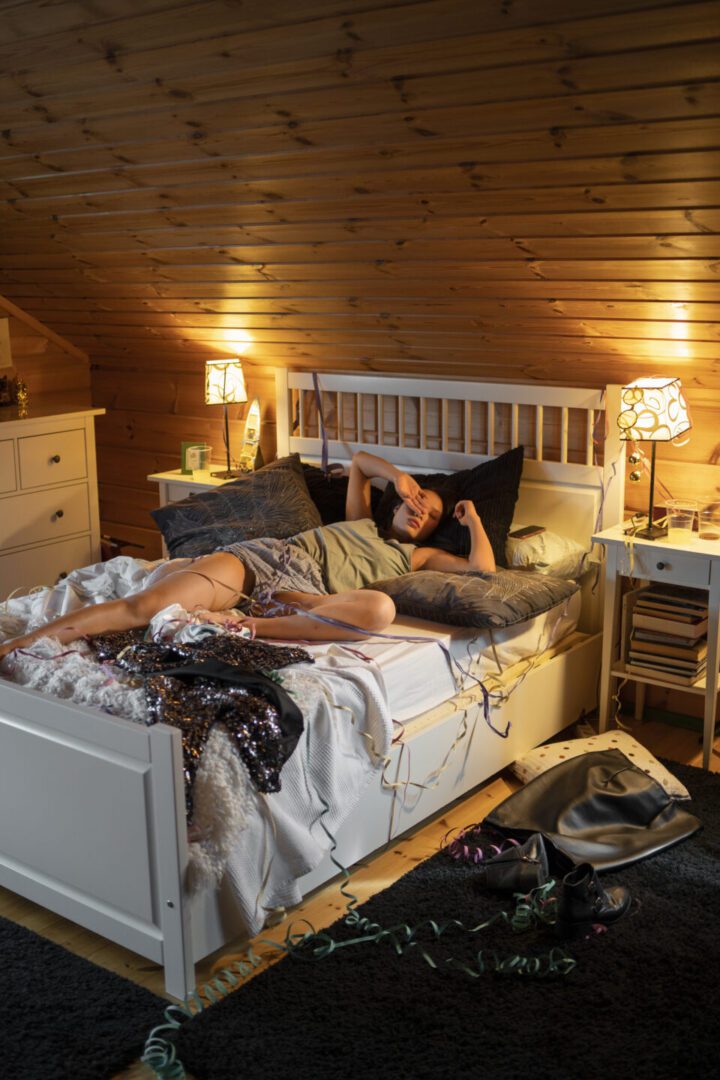
Tips That Work Fast
- Keep tech out of sight. A simple shelf in the closet charges phones and tablets.
- Use a closed hamper, not a chair. A chair becomes Mount Laundry by Friday.
- Pick a solid headboard. It gives a steady backrest and helps block drafty windows.
Pick Colors and Finishes That Calm Your Mind
Your eyes talk to your brain all day. At night they should whisper. Choose paint in soft tones like warm white, sandy beige, light sage, or misty blue. Matte or eggshell paint hides small flaws and cuts glare. Go for low VOC paint to cut smell and help air stay clean. On the floor, softer helps. Area rugs or cork feel kind to your feet and tame echo.
Window frames and trim look sharp in a slightly warmer white. It makes the walls look richer without shouting. Keep patterns simple. Stripes, tiny checks, or solid linen do the job. Save wild prints for the guest room. You can swap throw pillows each season if you want a change without a full redo.
Dial In Light Control Day and Night
Sleep loves rhythm. In the morning you want sunshine. At night you want cozy dim. Give yourself both.
- Layers win. Use blackout shades or drapery to block street lamps and early sun. Add a lighter sheer or a top down blind for daytime privacy.
- Warm bulbs help your brain wind down. Look for 2700K or lower. Smart dimmers let you fade the lights as bedtime gets close.
- Place lights in zones. Bedside lamps for reading. A small ceiling light for the whole room. A tiny night light near the floor for safe trips to the bathroom.
- Aim light away from the pillow. A sconce with a shade helps you read without blasting your partner.
California weather swings can mess with light and heat. On foggy San Francisco evenings the room can feel damp and cool, so a warm bedside lamp and heavy drapery feel great. During a heat wave inland, blackout shades can keep out heat by day so the room stays cooler by night.
Quiet the Room From Floor to Ceiling
Noise is the midnight troublemaker. You do not need a studio. You need simple steps that lower peaks.
- On the floor, add a thick rug or rug pad, even on carpet. It cuts bounce.
- Seal gaps. Weatherstrip the door. Add a door sweep. Fill cracks around the window trim with paintable caulk.
- Hang soft stuff. Curtains, fabric headboard, and padded bench all sip up noise.
- If walls are thin, add a layer of sound dampening drywall during a remodel. Fill open stud bays with mineral wool insulation if you have the walls open.
- Use quiet hardware. Soft close drawer slides and felt pads under furniture stop that 3 a.m. squeak.
Tune the Temperature and Air
Your body sleeps best when the room is cool and the air is fresh. In California we get hot spells, coastal fog, dry air, and wildfire smoke in some seasons. Plan for all of it.
- Ceiling fan with a quiet motor keeps air moving without a cold blast. Spin forward in summer to push air down. Reverse in winter to lift air gently.
- If heat lingers, a mini split or a well placed vent can cool the room. Keep filters clean.
- For wildfire smoke, close windows, seal door gaps, and run a HEPA air purifier. Place it where it can pull room air, not in a corner.
- Near the coast, damp air can creep in. A small dehumidifier on a timer helps. Empty the tank and clean the filter often.
- Plants look nice but do not count on them to clean air. They help you feel calm. That matters, but your purifier does the heavy lifting.
Choose the Bed and Bedding Without Guesswork
You do not need a mattress ad to tell you what your back likes. Try a few, side by side, if you can. Bring your own pillow when you test. Roll, relax, and give it five minutes. Your shoulders and hips should sink just enough so your spine looks straight. If you share the bed, test together.
- Frame choice. A sturdy wood or metal frame with a center support feels steady and quiet. Add felt pads so it does not scoot.
- Mattress type. Pick what feels right to you. Foam, hybrid, or latex can all work. Focus on support and heat. If you sleep hot, choose a breathable cover and bedding.
- Pillows. Side sleepers like a higher pillow to fill the space between shoulder and ear. Back sleepers go lower. Stomach sleepers try a very thin one or none.
- Sheets and covers. Cotton percale breathes well. Linen feels cool and airy. In a cold snap, layer a quilt and a throw so you can fine tune fast.
Storage That Keeps Clutter Out of Sight
Clutter steals peace. Give every item a home so your room looks calm and stays that way.
- Add drawers under the bed for off season clothes.
- Build a simple closet system with a double hang on one side and shelves on the other.
- Use a bench with storage at the foot of the bed for blankets.
- Keep nightstands simple. One drawer, one shelf, and a catch tray beats a stack of random stuff.
Smart Upgrades That Help You Wind Down
Tech can help if it stays in its lane.
- Smart dimmers and a small voice control let you set a bedtime scene. Warm lights, soft fan, noise machine on low.
- A sunrise clock wakes you with light, not a blaring beep.
- Hide screens. A cabinet with a door keeps the bedroom from turning into an office.
Safety Notes to Keep You Out of Trouble
- Turn power off at the breaker before you swap a light or outlet.
- Use a sturdy ladder. Do not stand on a chair.
- Vent the room when you paint. Use low VOC paint to cut fumes.
- Secure heavy dressers to studs so they do not tip.
A Simple Step by Step Plan
- 1. Measure, sketch, and set the goal. Cool, dark, quiet, and tidy.
- 2. Choose colors, finishes, and fabrics that feel calm.
- 3. Plan light layers and dimmers. Place outlets where you need them, not where they land.
- 4. Add sound control, rugs, and seals.
- 5. Place the bed, test traffic paths, and add storage that closes.
- 6. Tune temperature and air with a fan, shades, and purifier.
- 7. Dress the bed. Test pillows and blankets.
- 8. Sit on the edge of the bed and look around. If your eyes rest, you nailed it.
What We Usually See in California
- Street noise near busy roads like El Camino Real means better door seals and heavier drapes pay off.
- Homes near the coast deal with cool fog that creeps in at night, so layered bedding and a quiet heater or fan help.
- Older San Francisco Victorians have tall windows that look great, and they deserve blackout liners to keep early sun in check.
Troubleshooting When Sleep Still Feels Off
- If your room is hot at night, then add blackout shades, close them by late afternoon, and run a quiet fan.
- If outside noise wakes you, then add a door sweep and a thick rug, and move the bed to an inside wall.
- If you wake with a stiff neck, then swap to a pillow height that matches your sleep position.
- If light leaks in at dawn, then add side tracks for your shades or hang wider drapes.
- If air feels stuffy, then clean filters, vacuum rugs with a HEPA stick, and run a purifier for an hour before bed.
- If your back aches, then add a thin topper for pressure relief or try a firmer base under the mattress.
- If clutter creeps back, then add a wall hook for tomorrow’s clothes and a small tray for pocket stuff.
Myths You Hear and What Is True
- Myth, a black wall kills the mood. Fact, a dark accent wall with warm lamps can feel calm and cozy.
- Myth, a huge mattress means better sleep. Fact, the right support and room to move matter more than size alone.
- Myth, windows should stay open all night in California. Fact, pollen, smoke, and noise vary, use a purifier and close up when needed.
- Myth, strong scented candles help sleep. Fact, clean air and low light help more, use gentle scents on a short timer if you want.
Care Schedule That Keeps the Room Sleep Ready
Weekly
- Wash pillowcases and sheets.
- Vacuum the rug and under the bed.
- Wipe nightstands and lamp switches.
Monthly
- Wash the duvet cover or blanket.
- Clean the purifier filter or pre-filter.
- Dust the ceiling fan and blades.
- Check door seals and adjust if needed.
Yearly
- Flip or rotate the mattress if the maker allows it.
- Touch up wall paint and caulk if cracks show.
- Wash curtains and check the hardware.
- Review your layout. If it feels cramped, move a piece out.
Small Details That Make a Big Difference
- Put a soft tray by the door for keys and wallet. No more pocket dump on the nightstand.
- Use a lidded bin for cables and chargers. Out of sight, out of mind.
- Add a plant like a snake plant for a calm look. Easy care, no drama.
- Keep a notepad by the bed. Jot worries, then park them till morning.
Let Light and Heat Work for You
Inland summers can be hot and bright. Treat your windows like shields. Use reflective film or a thermal liner on drapes. Close shades before the room heats up. In cooler months, open shades in the morning to catch sun and warm the room a bit. Along the coast, fog can add chill and damp. Pick bedding you can layer. Cotton in contact with skin, wool on top when needed. Your body will thank you.
Make Room for Two Without Crowding
If you share the space, aim for balance. Two lamps, two nightstands, and equal reach to outlets. Keep a small basket for each person for nightly items. Agree on a no TV weeknight rule and test it. Most couples find they sleep faster with less screen glow.
What to Do With a Small Bedroom
Small rooms can sleep big with smart moves.
- Wall mount lamps to free the nightstand.
- Use a tall dresser instead of a wide one.
- Slide a shallow shelf behind the bed as a ledge.
- Pick a bed with drawers. Every inch counts.
An Anecdote From the Field
You, My room faces a busy street. I feel like I sleep on the sidewalk.
Us, Let’s close the sound path. We add a solid core door, seal the frame, hang lined drapes, and toss a rug pad under your rug. Bonus, we move the bed to the wall that backs the closet.
You, Night and day. I can hear my thoughts again.
Make the Remodel Stick With Daily Habits
Routines lock in gains. Keep the room cool and dark an hour before bed. Put phones on that closet shelf. Keep a small basket for clothes that still have a day in them. Sip water earlier in the evening so you skip midnight trips. Simple chains like these hold strong.
FAQs
Q, How do I remodel a bedroom for better sleep without tearing down walls
A, Focus on layout, light, sound, and air. Use blackout shades, a thick rug, door seals, a quiet fan, and low VOC paint. Place the bed well and cut clutter.
Q, What colors help me sleep faster
A, Soft neutrals work best. Think warm white, light gray, sandy beige, sage, or pale blue. Keep the finish matte or eggshell to lower glare.
Q, How bright should my bedroom lights be at night
A, Keep it low and warm. Use 2700K bulbs and dimmers. Bedside lights should be bright enough to read, but not blast the room.
Q, What is the best way to block street noise
A, Seal the door, add a sweep, hang lined drapes, and use a rug with a thick pad. If you remodel, add insulation and sound dampening drywall.
Q, Do I need an air purifier in California
A, It helps during pollen season and wildfire smoke. Run a HEPA purifier in the evening and keep windows closed when outdoor air is poor.
Q, How do I keep a small bedroom from feeling cramped
A, Use wall mounted lights, a tall dresser, under bed drawers, and simple colors. Keep surfaces clear with baskets and trays.
Q, What type of mattress is best for sleep
A, The one that supports your spine and feels cool enough. Try foam, hybrid, or latex, and test with your own pillow.
Q, Is a ceiling fan noisy at night
A, A quality fan on low is quiet. Balance the blades, tighten screws, and clean dust often to keep it smooth.
Ready to Wake Up Rested?
We can plan, build, and finish your sleep friendly bedroom with smart light control, quiet surfaces, clean air fixes, and tidy storage. Dreamhome Remodeling & Builders serves California and knows local homes and weather. Call 415-650-2586 or visit https://dream-home-remodeling.com to get started.