


A shower usually wins in a small bathroom because it saves floor space, feels open, and is easier to step into. A tub can still make sense if you have kids, want soaking comfort, or think buyers in your area expect one. The best pick depends on who uses the bath daily, how tight the room is, and how much cleaning you want to do. If space is really tight, a shower with the right door and layout can feel like you found extra square footage in your sock drawer.
For remodeling help, explore Our Work and reach out through Contact Us.
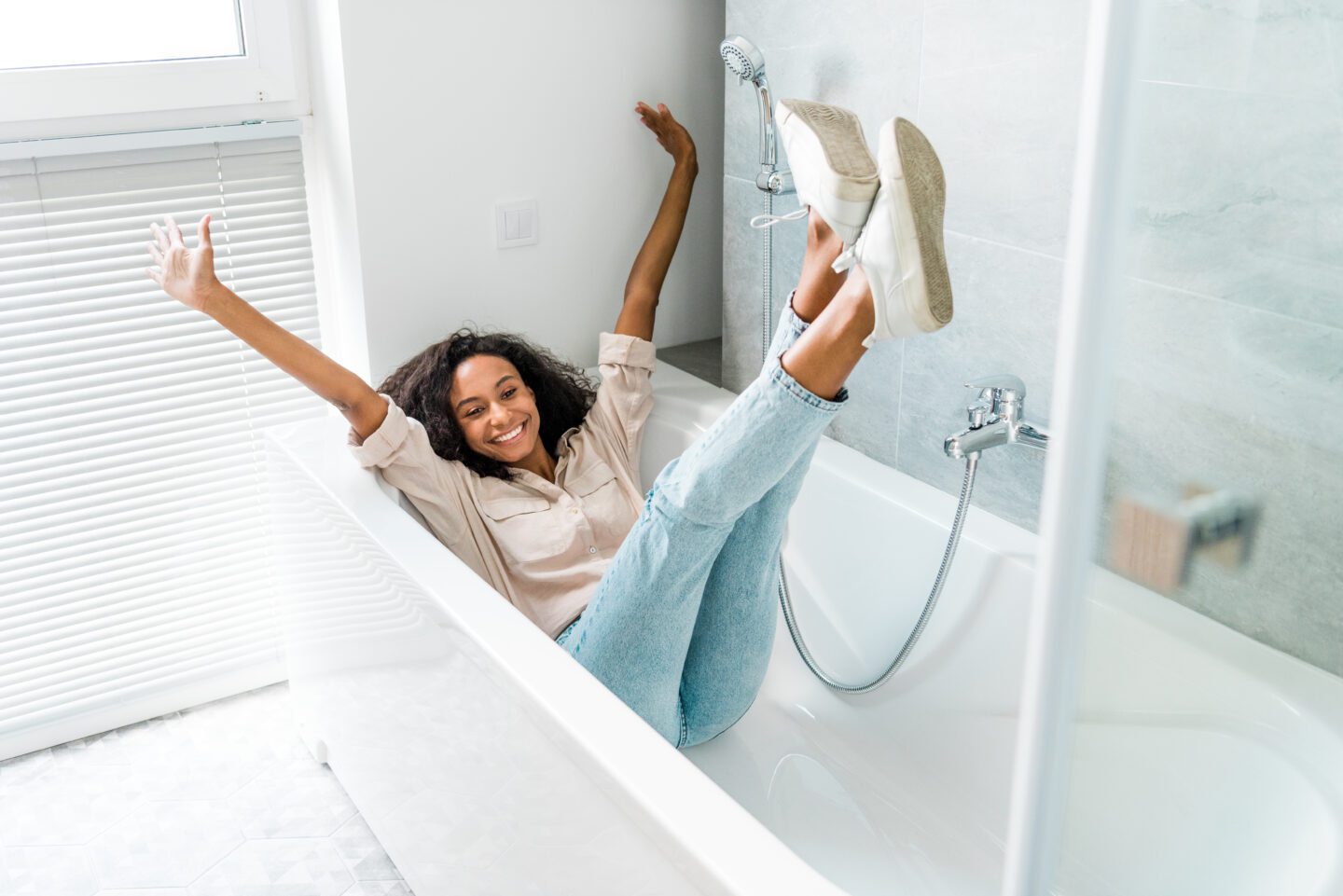
Start with daily use, not wishful thinking
Most bathroom choices fall apart on a normal Tuesday morning. So think about real life.
Ask yourself:
- Who uses this bathroom most days?
- Is it the main bath, a guest bath, or a primary suite bath?
- Do you need quick in and out showers, or do you take baths often?
- Does anyone have knee, hip, or balance issues?
If the bath is used by busy adults before work, showers tend to fit the routine. If it is the only bath for a home with toddlers, a tub can feel like the missing tool in the toolbox.
Here is a quick kitchen table chat that happens a lot:
- Person A: “We never take baths.”
- Person B: “True, but the kid is basically a slippery seal.”
Both can be right. The trick is picking what fits your home now, and what will still work later.
Shower in a small bath, the big wins and the trade-offs
Pros of choosing a shower
You gain usable space. A well-placed shower can free up floor area for a wider vanity, more storage, or just less shoulder bumping.
It can feel bigger. A clear glass panel and good lighting can make a small bath feel less like a closet.
It is often easier to get in and out. A low curb, or a flush entry when possible, helps with safety and comfort.
Cleaning can be faster. Fewer ledges, fewer corners, and no tub rim to scrub around.
Cons of choosing a shower
No easy kid bath station. You can still bathe kids in a shower, but it is a circus. Expect splashing and awkward bending.
Some buyers want a tub. In many California neighborhoods, buyers like at least one tub in the home. Not every home needs a tub in every bathroom, but removing the last tub can narrow your buyer pool.
Steam and moisture control matters. Small rooms get steamy fast. Without a good fan and smart surfaces, you can get peeling paint, damp corners, and soap scum that throws a party.
See real-world space-saving outcomes in Our Work.
Tub in a small bath, the big wins and the trade-offs
Pros of choosing a tub
It helps with kids and pets. Bath time is easier with a tub. Washing a dog in a shower is like wrestling a wet mop.
It can help resale if it is the only tub. Many buyers expect at least one tub somewhere in the house.
Soaking is real comfort. If you use it, a tub is not a waste. It is like owning a grill and actually grilling. That is the dream.
Cons of choosing a tub
It eats floor space. A standard tub is long and can force tight clearances around the toilet or vanity.
Step over risk. Stepping over a tub wall can be tricky for some people, especially when wet.
Cleaning can be a chore. The tub rim, tile corners, and shower curtain area collect grime and soap film.
Resale appeal, what buyers often notice first
Resale is not everything, but it is not nothing either.
Here is the simple rule many agents repeat: Try to keep at least one tub in the home. That does not mean every bath needs a tub. It means do not remove the only tub unless you are sure your buyer group will not care.
If you have:
- A second bath with a tub already, a shower in the other bath is usually fine.
- Only one bathroom total, a tub-shower combo can keep more options open.
- A primary suite bath and a separate hall bath, many owners like a shower in the suite and a tub in the hall.
Keep the neighborhood in mind. A starter home near schools may attract families. A condo near a commute corridor may attract single professionals. Different buyers, different expectations.
Safety, slips, steps, and small-room reality
No scare talk here. Just practical risk notes.
Showers can be safer when the entry is easy. A low curb and a steady grab bar can reduce slips. A handheld shower head also helps, since you can rinse without awkward moves.
Tubs can be safe too, but the step is the issue. That tub wall is a daily hurdle. Add a textured tub floor and consider grab bars if anyone needs support.
Flooring matters. Small bathrooms get wet. Choose slip-resistant tile or flooring with grip. Glossy surfaces look nice, then they turn into a skating rink.
Door swings matter. A door that bangs into a toilet or vanity can cause stumbles. Pocket doors can help when space is tight, if the wall allows it.
Cleaning, which choice keeps your weekends yours?
Cleaning is where the shower often pulls ahead, but only if it is built smart.
Showers are easier when you avoid grime traps
Grime traps include:
- Tiny mosaic floors with lots of grout
- Heavy sliding doors with tracks
- Corner shelves with lots of seams
If you want less scrubbing, use larger wall tiles, fewer ledges, and a simple glass panel that wipes down fast.
Tubs need attention around the rim and curtain area
Tub-shower combos often get:
- Mildew on curtains and liners
- Soap film where the wall meets the tub
- Water splashes that run down behind the toilet
A curved shower rod can add elbow room, but it can also let more water escape if the curtain is not set right.
Minimum clearances and layout tips for tight rooms
Clearances can make or break comfort. Even a few inches can change how the room feels.
Toilet clearance basics
- Side to side space: Many layouts aim for at least 15 inches from the toilet centerline to the nearest wall or vanity edge.
- Front clearance: Many bathrooms aim for about 21 inches clear in front of the toilet, and more feels better if the room allows.
If your knees almost touch the vanity, the room will feel tight every single day.
Shower size and entry space
Small showers can work well if they are planned carefully.
- A common small shower footprint is 32 by 32 inches, though many people feel better with more room.
- A neo-angle shower can help in corners, but the door swing and curb shape need careful planning.
- A curbless look can be great, but water control and floor slope must be done right.
Tub and tub-shower combo sizing
- Many standard tubs are about 60 inches long. Some shorter tubs exist, but comfort drops.
- A tub-shower combo needs room for the curtain or door, plus clear space to stand and turn.
Door choices, the “don’t punch your hip” checklist
- Swing door: Simple, but it needs clearance.
- Pocket door: Great for tight rooms if the wall can support it.
- Barn-style door: Can work, but it needs wall space and good privacy planning.
Small bathroom layout moves that feel like magic
- Use a wall-hung vanity if plumbing allows. More visible floor can make the room feel bigger.
- Pick a shallow vanity in tight baths. A few inches saved can keep traffic flowing.
- Move the shower valve to the right spot so you can turn water on without getting sprayed.
- Use a single glass panel for a walk-in style shower in some layouts. It reduces door clutter.
- Plan niches carefully. A recessed niche keeps shampoo off corners and makes cleaning easier.
If you want help planning clearances and layout, use Contact Us.
Tub or shower, what we usually see in California
In many California homes, space is tight and moisture control is a big deal, especially in coastal areas where fog and damp air hang around. In places with older housing stock, like parts of the Bay Area near Daly City, Sunset District style homes, or older apartments near El Camino Real, bathrooms often have compact footprints and older ventilation.
What tends to work well:
- Keep one tub in the house when possible, often in the hall bath.
- Put a walk-in shower in a primary suite where adults use it daily.
- Upgrade the bath fan and venting. Steam has to go somewhere.
Weather and moisture, why it changes your choice
California weather varies. A dry inland summer is not the same as a cool coastal morning.
- Coastal damp and fog: Moisture hangs around longer. That can lead to mildew in grout lines and paint issues. Better ventilation and easy-clean surfaces matter more.
- Hot inland days: A steamy shower can still load the room with moisture, then it cools at night. That cycle can stress caulk and grout.
- Rainy season: Wet shoes and umbrellas can add water to the floor. Slip-resistant flooring and good thresholds help.
A shower or tub both work in any weather, but your fan, sealing, and surface choices carry the real weight.
Choosing based on who lives there, fast scenarios
If you have young kids
A tub-shower combo or at least one tub in the home makes life easier. Bathing a toddler in a shower is like trying to wash a cat that hates water.
If this is a guest bathroom
A shower is often fine. Guests tend to shower, not soak. Keep it simple, clean, and easy to use.
If it is your primary bathroom
Most adults use showers daily. A larger shower with smart storage usually feels like a win.
If someone has mobility limits
A shower with a low curb, solid grab bars, and a bench option can be more comfortable. A tub can still work with the right supports, but the step is a daily challenge.
Quick “If X, then Y” troubleshooting steps
- If your bathroom is the only bath in the house, then keep a tub or choose a tub-shower combo for resale and family use.
- If you already have a tub in another bathroom, then a shower in the small bath can free space without losing the tub option.
- If the toilet feels cramped, then consider a shower footprint change, a smaller vanity, or a pocket door.
- If cleaning is a pain now, then avoid small tiles and door tracks, and use larger wall tiles with fewer grout lines.
- If you see peeling paint or smell musty odors, then improve ventilation, check fan ducting, and use moisture-ready finishes.
- If slipping is a concern, then pick slip-resistant flooring, add a grab bar, and avoid tall tub walls when possible.
- If you want a roomy feel, then use a glass panel, brighter lighting, and a lighter color palette with good contrast.
Common myths and facts that trip people up
- Myth: A small bathroom must have a tub.
Fact: Many small baths work better with a shower, as long as the home still has a tub somewhere. - Myth: Bigger tiles always slip more.
Fact: Slip risk depends on the tile finish and texture, not just size. - Myth: A curbless shower always leaks.
Fact: It can work well with proper slope, waterproofing, and drain planning. - Myth: A shower curtain is always cheaper and easier.
Fact: Curtains can mean more splashing and more mildew. A simple glass panel can be easier to keep clean.
Space tips that matter more than fancy features
Put storage where it does not steal elbow room
- Recessed niches in the shower wall
- Medicine cabinets that sit partly in the wall
- Slim shelves over the toilet if they do not crowd the room
Lighting can make a tight bath feel less tight
Use bright, even lighting. Shadows make small rooms feel smaller. Also, good lighting helps you see soap scum before it becomes a science project.
Pick fixtures that match the room scale
A huge rain head in a tiny shower can be fun, but it can also splash water everywhere if the enclosure is small. A handheld head often fits small showers better.
Keep the floor clear
Wall-hung vanities or vanities with legs can make the room feel more open. It is like seeing more road ahead when you drive.
Care schedule for showers and tubs
A small plan keeps small problems from becoming big chores.
Weekly
- Squeegee shower glass and tile after a few uses.
- Wipe down the tub rim and faucet area.
- Run the bath fan during showers and for a bit after.
Monthly
- Clean grout lines and corners with a gentle cleaner.
- Check caulk at tub or shower edges for gaps.
- Clean the fan cover, dust slows airflow.
Yearly
- Inspect for loose tiles, soft spots, or cracked grout.
- Re-caulk where needed, especially at changes of plane, like wall to tub or wall to shower base.
- Check the fan airflow. If it is weak, it may need service or replacement.
Layout examples that work in small bathrooms
Example A, shower at the end wall
This setup often works in long, narrow baths. Put the shower on the back wall, then toilet, then vanity. A clear glass panel can help the room feel longer.
Example B, tub-shower combo on the long wall
Common in older homes. If you keep it, focus on:
- A curved rod or glass panel for shoulder room
- A recessed niche to reduce clutter
- Strong fan and easy-clean tile choices
Example C, corner shower to free vanity space
A corner shower can open room for a wider vanity or better toilet clearance. Watch the door swing so it does not fight the toilet.
Permits and reality checks, keep it simple
Many bathroom remodels need permits when you move plumbing, change electrical, or alter structure. Even when you keep the layout, code rules may affect clearances, waterproofing methods, and ventilation needs. A good contractor helps you plan it right so you do not have to redo work later.
For general permitting information in California, you can review California Building Standards Commission.
FAQs
Is a shower better than a tub in a small bathroom?
A shower is often better for daily adult use and space savings. A tub can be better if you need it for kids, pets, or you want to keep at least one tub for resale.
Should I keep a tub for resale in California?
Many buyers like at least one tub in the house. If you already have a tub in another bathroom, switching a small bath to a shower is often a safe move.
What is the smallest shower size that still feels usable?
Many small showers start around 32 by 32 inches, but comfort depends on your height, door style, and storage. A smart layout and a good shower door plan can make a compact shower feel much better.
Are walk-in showers safe for older adults?
They can be, especially with a low curb or flush entry, slip-resistant flooring, and grab bars. Good lighting and a handheld shower head also help.
Which is easier to clean, tub or shower?
A shower can be easier if it has fewer grout lines and no door tracks. A tub-shower combo often needs more cleaning around the rim, curtain area, and corners.
Do glass shower doors make a small bathroom feel bigger?
Often yes. Clear glass lets your eyes travel, so the room feels more open. It does need regular wiping to avoid spots.
How do I stop bathroom moisture problems?
Use a strong bath fan, run it during and after showers, and keep caulk and grout in good shape. In coastal areas, ventilation matters even more because damp air lingers.
Can I swap a tub for a shower without moving plumbing?
Sometimes. It depends on the drain location, framing, and the shower base you choose. Keeping plumbing close can reduce project time and surprises.
Schedule a bathroom remodel consult
Ready to make your small bathroom work harder and feel bigger? Dreamhome Remodeling & Builders helps California homeowners choose the right shower or tub setup, plan a clean layout, and build it with smart waterproofing and ventilation so it stays easy to live with.
Call (415) 650-2586 or visit https://dream-home-remodeling.com to schedule a bathroom remodel consult. You can also use Contact Us to get started and view Our Work for project inspiration.
For background on bathroom design and common layout considerations, see https://en.wikipedia.org/wiki/Bathroom.
